
How ESD Clothes Protect Sensitive Electronics and Improve Workplace Safety
2026-07-31
Article Summary
In modern electronics manufacturing, semiconductor production, medical equipment assembly, and precision industries, controlling electrostatic discharge (ESD) is essential. Even a small amount of static electricity can damage sensitive components, interrupt production processes, and increase operational costs. ESD Clothes provide an effective solution by creating a controlled protective environment around workers and reducing the risk caused by electrostatic generation.
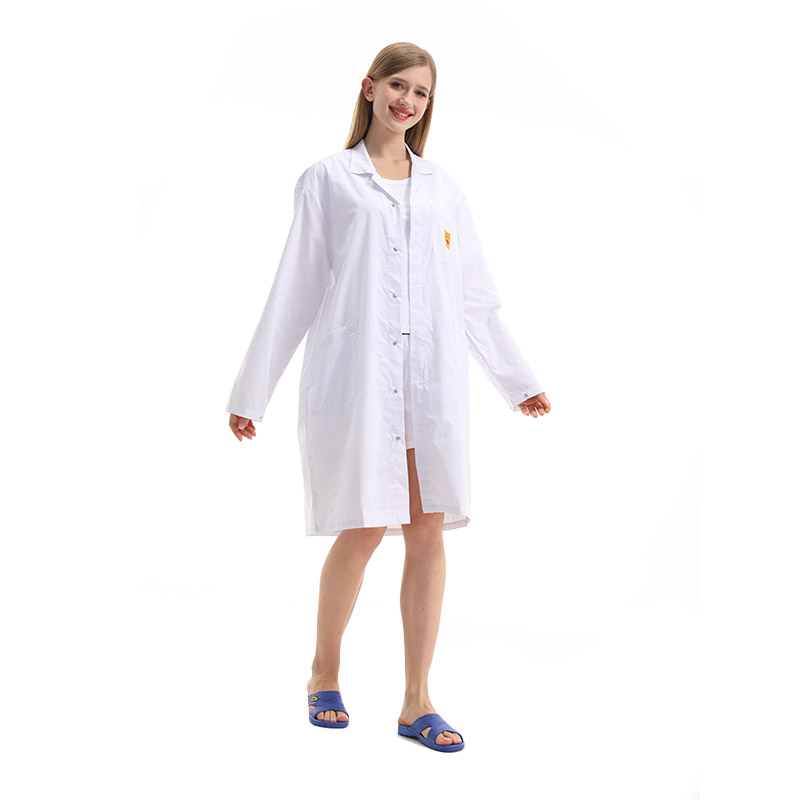
This article explains how ESD Clothes work, why they are important, what materials and designs make them effective, and how businesses can choose the right protective garments for their working environments. With professional experience in antistatic solutions, Xinlida Antistatic Products Co., Ltd. provides reliable ESD protection products designed to meet the needs of industries requiring strict static control.
Table of Contents
- 1. What Are ESD Clothes and Why Are They Important?
- 2. How Do ESD Clothes Control Static Electricity?
- 3. What Features Make ESD Clothes Effective?
- 4. Where Are ESD Clothes Commonly Used?
- 5. How to Choose the Right ESD Clothes for Your Workplace?
- 6. How to Maintain ESD Clothes for Long-Term Performance?
- 7. What Benefits Can Businesses Gain from Using ESD Clothes?
- 8. Frequently Asked Questions About ESD Clothes
1. What Are ESD Clothes and Why Are They Important?
ESD Clothes are specially designed protective garments that help prevent the buildup and uncontrolled release of static electricity. Unlike ordinary workwear, ESD garments contain conductive fibers or antistatic materials that allow electrical charges to safely dissipate instead of accumulating on the surface of the fabric.
Static electricity may seem harmless in daily life, but in industries involving sensitive electronic components, it can create serious problems. A static discharge that is invisible to the human body can destroy integrated circuits, reduce product reliability, or cause hidden defects that appear after products reach customers.
For companies operating cleanrooms, electronic assembly lines, and precision manufacturing facilities, ESD Clothes are an important part of a complete static control program. They protect products while also improving workplace reliability and production efficiency.
- Reduce the risk of electrostatic damage to sensitive components.
- Help maintain stable production environments.
- Support cleanroom contamination control requirements.
- Improve employee protection when handling electronic devices.
2. How Do ESD Clothes Control Static Electricity?
The main function of ESD Clothes is to control the movement of electrical charges. Human bodies naturally generate static electricity through walking, friction between materials, and contact with different surfaces. Without proper protection, these charges may transfer directly to electronic products.
ESD garments solve this problem through specially engineered fabrics. Conductive fibers are integrated into the textile structure, forming a network that helps distribute static charges evenly and release them gradually.
The working process can be explained in several steps:
- Static generation prevention: The special fabric structure reduces friction-related static buildup.
- Charge distribution: Conductive fibers spread electrical charges across the garment surface.
- Controlled dissipation: Static electricity moves safely toward grounding systems instead of suddenly discharging.
- Product protection: Sensitive devices are protected from unexpected electrostatic events.
This controlled approach is especially important in environments where components are manufactured at microscopic scales and even minor electrical damage can affect performance.
3. What Features Make ESD Clothes Effective?
High-quality ESD Clothes require careful material selection, manufacturing precision, and quality testing. A reliable ESD garment should provide consistent antistatic performance while remaining comfortable for workers who wear it for extended periods.
| Feature | Importance |
|---|---|
| Conductive Fiber Integration | Creates a stable pathway for static charge dissipation. |
| Low Particle Generation | Helps maintain clean manufacturing environments. |
| Durable Fabric Structure | Ensures long service life under frequent use. |
| Comfortable Design | Allows workers to operate efficiently during long shifts. |
| Reliable Testing Performance | Ensures garments meet required static control standards. |
In addition to electrical performance, professional ESD Clothes should also consider practical workplace requirements. Features such as breathable fabrics, reinforced stitching, adjustable cuffs, and ergonomic designs improve user experience and productivity.
4. Where Are ESD Clothes Commonly Used?
ESD Clothes are widely applied in industries where static control is critical. Different industries have different requirements, but the goal remains the same: protecting products, equipment, and production processes from electrostatic risks.
- Electronics Manufacturing: Used during PCB assembly, semiconductor production, and component handling.
- Cleanroom Operations: Helps reduce contamination risks in controlled environments.
- Medical Equipment Manufacturing: Protects precision instruments and sensitive devices.
- Aerospace Electronics: Supports reliable manufacturing of high-value electronic systems.
- Laboratory Environments: Provides additional protection during research and testing processes.
Xinlida Antistatic Products Co., Ltd. develops antistatic solutions for various industrial applications, helping customers maintain effective static control systems through professional ESD protective products.
5. How to Choose the Right ESD Clothes for Your Workplace?
Selecting suitable ESD Clothes requires understanding the working environment, product sensitivity, and operational requirements. Choosing the wrong garment may reduce protection efficiency and increase production risks.
Consider the following factors before purchasing:
- Workplace Classification: Different cleanroom levels may require different garment specifications.
- Material Performance: Select fabrics with stable antistatic properties and suitable durability.
- Design Requirements: Choose styles that allow comfortable movement and easy daily use.
- Maintenance Requirements: Ensure the garments can maintain performance after repeated cleaning.
- Industry Standards: Verify that products meet the required testing and quality expectations.
A professional supplier can help companies evaluate their working conditions and recommend suitable ESD protection solutions.
6. How to Maintain ESD Clothes for Long-Term Performance?
Proper maintenance is essential because repeated use and incorrect cleaning methods may affect antistatic performance. Businesses should establish suitable cleaning and storage procedures to extend garment service life.
- Use recommended cleaning methods to protect conductive fibers.
- Avoid strong chemicals that may damage fabric performance.
- Store garments in clean and dry conditions.
- Regularly inspect garments for damage or excessive wear.
- Replace garments when performance no longer meets requirements.
Routine inspection and proper management help ensure that ESD Clothes continue providing reliable protection throughout their service period.
7. What Benefits Can Businesses Gain from Using ESD Clothes?
Investing in professional ESD Clothes provides long-term value for companies that depend on precision manufacturing. Effective static control reduces unexpected losses and improves overall production reliability.
- Reduced Product Damage: Minimizes failures caused by electrostatic discharge.
- Improved Manufacturing Stability: Creates a safer production environment.
- Higher Product Reliability: Helps maintain consistent quality standards.
- Lower Maintenance Costs: Prevents unnecessary equipment and product losses.
- Enhanced Employee Protection: Provides comfortable and functional protective clothing.
For companies handling sensitive products, ESD Clothes are not simply work uniforms but an important investment in quality control and operational efficiency.
8. Frequently Asked Questions About ESD Clothes
Q1: What is the main purpose of ESD Clothes?
The main purpose of ESD Clothes is to prevent static electricity buildup and safely dissipate electrical charges, protecting sensitive products and equipment from electrostatic damage.
Q2: Are ordinary uniforms able to replace ESD Clothes?
No. Ordinary clothing materials may generate and retain static electricity. ESD Clothes are manufactured with specialized materials designed specifically for static control.
Q3: How often should ESD Clothes be replaced?
Replacement frequency depends on usage conditions, cleaning methods, and performance testing results. Regular inspection helps determine when replacement is necessary.
Q4: Can ESD Clothes be washed?
Yes. However, they should be cleaned according to recommended procedures to avoid damaging conductive fibers and reducing antistatic performance.
Q5: Why choose professional ESD garment suppliers?
Professional suppliers provide better material control, manufacturing experience, and quality assurance, helping customers obtain reliable static protection solutions.
Conclusion
ESD Clothes play a critical role in industries where static electricity can affect product quality, manufacturing efficiency, and operational safety. By using specially designed antistatic fabrics, these garments help control electrical charges and create a safer working environment for precision operations.
With professional expertise and advanced production capabilities, Xinlida Antistatic Products Co., Ltd. delivers dependable ESD protection solutions for customers across different industries. Whether you need customized ESD garments or complete antistatic product support, our team is ready to provide suitable solutions. Please contact us to discuss your requirements and discover the right protection strategy for your workplace.