Article Summary
TIG welding requires exceptional precision, control, and protection. Unlike many other welding processes, TIG welding involves detailed operations where welders need excellent hand movement while dealing with intense heat, sparks, ultraviolet radiation, and sharp metal edges. Choosing the right TIG Welding Gloves is essential for maintaining safety without sacrificing flexibility and welding accuracy.
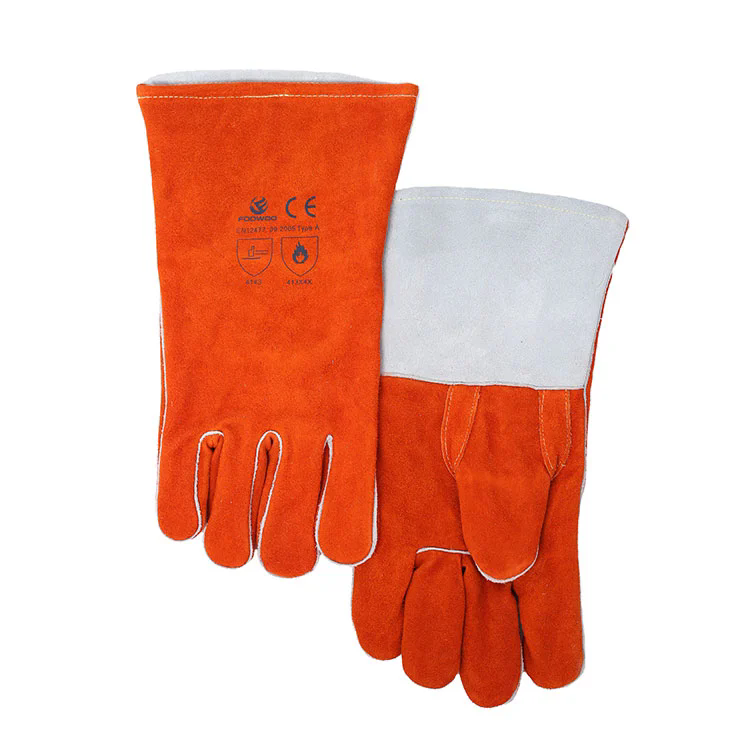
This article explains how TIG Welding Gloves help professional welders overcome common challenges, including heat exposure, reduced dexterity, hand fatigue, and workplace safety risks. It also covers key features, material choices, selection tips, maintenance methods, and frequently asked questions to help users make better decisions when choosing protective welding gloves.
Article Outline
-
The role of TIG Welding Gloves in welding safety
-
Common hand protection challenges during TIG welding
-
Important performance characteristics of professional welding gloves
-
Materials and construction methods
-
Buying guide for different welding applications
-
Proper maintenance and replacement recommendations
-
Comparison with conventional welding gloves
-
Common questions and expert answers
Why Are TIG Welding Gloves Important for Welders?
TIG welding is widely used in industries that require clean and precise welds, including aerospace, automotive manufacturing, stainless steel fabrication, machinery production, and metal processing. Because TIG welding involves controlling a tungsten electrode and welding torch with high accuracy, welders need gloves that provide both protection and excellent finger sensitivity.
Many traditional welding gloves focus mainly on heat resistance and thickness. However, overly thick gloves can limit hand movement, making it difficult to control welding tools and complete detailed welding tasks. TIG Welding Gloves are specifically designed to balance protection, comfort, and flexibility.
A suitable pair of TIG Welding Gloves helps reduce the risk of burns caused by hot metal, welding sparks, and radiant heat. At the same time, they allow welders to maintain better control, improving welding quality and reducing operational mistakes.
What Problems Can TIG Welding Gloves Solve?
Professional welders often face several hand protection challenges during daily operations. The right TIG Welding Gloves can effectively address these issues.
|
Common Welding Challenge
|
How TIG Welding Gloves Help
|
|
High temperature exposure
|
Heat-resistant materials help protect hands from hot surfaces, sparks, and welding heat.
|
|
Lack of finger control
|
Flexible designs improve movement and allow precise torch handling.
|
|
Hand fatigue during long operations
|
Lightweight construction improves comfort during extended welding sessions.
|
|
Sharp metal edges
|
Durable leather surfaces provide additional protection against cuts and abrasion.
|
|
Reduced welding accuracy
|
Better grip and tactile feedback support more consistent welding performance.
|
For welders working on detailed projects, gloves are not simply protective equipment. They are an important tool that directly affects efficiency, comfort, and final welding results.
What Features Make High-Quality TIG Welding Gloves Different?
High-quality TIG Welding Gloves are developed with specific features that meet the demands of precision welding environments. When selecting gloves, users should pay attention to the following characteristics:
-
Excellent Dexterity: TIG welding requires delicate hand movements. Gloves should allow natural finger bending and precise operation.
-
Reliable Heat Resistance: Protective materials should withstand welding temperatures while maintaining flexibility.
-
Comfortable Interior: Soft inner materials help reduce friction and improve wearing comfort.
-
Strong Durability: Reinforced stitching and quality leather construction extend glove service life.
-
Secure Fit: Proper sizing prevents gloves from slipping during welding activities.
-
Good Grip Performance: A stable grip helps welders maintain better control of welding tools.
The best TIG Welding Gloves combine safety engineering with ergonomic design, allowing workers to focus on welding quality rather than discomfort or protection concerns.
Which Materials Are Commonly Used for TIG Welding Gloves?
The material selection of TIG Welding Gloves directly affects performance, durability, and comfort. Different materials provide different advantages depending on the working environment.
-
Goat Leather: Popular for TIG welding because it offers excellent softness, flexibility, and touch sensitivity.
-
Cowhide Leather: Known for strong durability and abrasion resistance, suitable for demanding industrial environments.
-
Split Leather: Provides good heat resistance and is commonly used for areas requiring stronger protection.
-
Kevlar Reinforced Stitching: Improves seam durability and resistance against heat damage.
For precision TIG welding, softer leather materials are often preferred because they provide better control. For heavier applications, reinforced designs may offer additional protection.
How to Choose the Right TIG Welding Gloves?
Selecting suitable TIG Welding Gloves depends on welding conditions, working frequency, and user requirements. Before purchasing, consider the following factors:
-
Welding Type: Determine whether the gloves will be used for light precision welding or heavier industrial applications.
-
Protection Level: Consider heat exposure, spark intensity, and contact with hot materials.
-
Hand Size: Proper fitting gloves improve safety and reduce hand strain.
-
Material Quality: Premium leather generally provides better comfort and durability.
-
Working Environment: Outdoor, factory, and workshop applications may require different glove designs.
A common mistake is choosing the thickest gloves available. Maximum thickness does not always mean maximum performance. TIG welding requires a balance between protection and flexibility.
How to Maintain TIG Welding Gloves for Longer Service Life?
Proper maintenance can significantly extend the lifespan of TIG Welding Gloves and ensure consistent protection.
-
Keep gloves dry and store them away from excessive moisture.
-
Clean dirt and metal particles regularly after use.
-
Avoid exposing leather gloves to chemicals or unnecessary heat sources.
-
Inspect stitching and damaged areas before every welding operation.
-
Replace gloves when holes, severe wear, or reduced protection appear.
Regular inspection is especially important in professional welding environments where damaged gloves may increase the risk of workplace injuries.
TIG Welding Gloves vs Traditional Welding Gloves
|
Feature
|
TIG Welding Gloves
|
Traditional Welding Gloves
|
|
Flexibility
|
Designed for precise finger movement
|
Usually thicker and less flexible
|
|
Heat Protection
|
Suitable for controlled TIG welding heat
|
Designed for higher heat exposure
|
|
Touch Sensitivity
|
Excellent for detailed operations
|
Limited sensitivity
|
|
Comfort
|
Lightweight and ergonomic
|
Heavier construction
|
Choosing the correct glove type depends on the welding process. TIG welding applications require precision, making specialized TIG Welding Gloves the preferred option for many professional users.
Frequently Asked Questions About TIG Welding Gloves
Q1: Are TIG Welding Gloves different from MIG welding gloves?
Yes. TIG Welding Gloves are generally thinner and more flexible because TIG welding requires greater hand control and precision. MIG welding gloves usually focus more on heavy-duty heat protection.
Q2: What material is best for TIG Welding Gloves?
Goat leather is commonly preferred because it provides a good combination of softness, durability, and sensitivity. However, the best material depends on the working environment and protection requirements.
Q3: How often should TIG Welding Gloves be replaced?
Replacement frequency depends on usage conditions. Gloves should be replaced immediately if they develop holes, damaged seams, or reduced protective performance.
Q4: Can TIG Welding Gloves protect against all welding hazards?
TIG Welding Gloves provide important hand protection but should be used together with other safety equipment, including welding helmets, protective clothing, and proper workplace safety procedures.
Q5: Where can businesses find reliable TIG Welding Gloves?
Professional buyers should choose manufacturers with experience in welding protection products and strict quality control processes. Foowoo provides reliable TIG Welding Gloves designed to meet the needs of professional welders and industrial applications. For customized solutions and product details, please contact us.
Choose Reliable TIG Welding Gloves for Better Welding Protection
The right TIG Welding Gloves can make a significant difference in workplace safety, welding accuracy, and user comfort. By selecting gloves with proper materials, ergonomic design, and reliable durability, welders can improve performance while reducing hand-related risks.
Foowoo focuses on providing professional welding protection solutions with quality-focused TIG Welding Gloves for customers worldwide. Whether you need dependable gloves for industrial production, workshops, or precision welding projects, choose Foowoo as your trusted partner. Contact us today to learn more about our products and customized welding glove solutions.