
How do ESD Shoes Protect Workers?
2026-06-25
Article Summary
ESD Shoes (Electrostatic Discharge Shoes) are essential personal protective equipment designed to control static electricity in sensitive environments such as electronics manufacturing, semiconductor assembly, and precision laboratories. This article explains how ESD shoes work, why they are necessary, and how they help reduce product damage, workplace hazards, and operational risks. It also explores selection criteria, industry applications, and maintenance guidelines. Solutions provided by Xinlida demonstrate how properly engineered ESD footwear supports safety compliance and operational stability in modern industries.
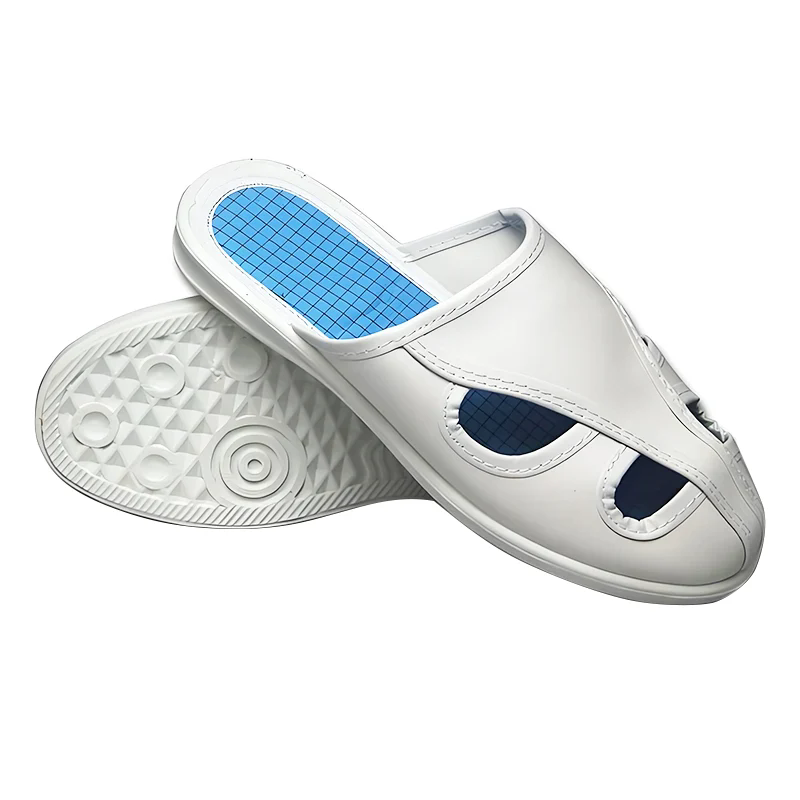
Table of Contents
- Outline Overview
- Understanding ESD Shoes
- How ESD Shoes Work
- Key Features and Materials
- Industries That Require ESD Shoes
- How to Choose the Right ESD Shoes
- Maintenance and Compliance
- Common Problems and Misconceptions
- Xinlida ESD Solutions
- FAQ
- Conclusion
Outline Overview
This article is structured to guide readers from foundational concepts of electrostatic discharge control to practical decision-making when selecting ESD footwear. It also addresses industry use cases, compliance requirements, and long-term maintenance strategies. The goal is to provide actionable knowledge for procurement managers, engineers, and safety supervisors.
Understanding ESD Shoes
ESD Shoes are specialized footwear designed to safely dissipate static electricity from the human body to the ground. In environments where electronic components are sensitive to electrostatic discharge, even a small static spark can cause irreversible damage. Unlike ordinary shoes, ESD shoes incorporate conductive or dissipative materials that regulate electrical resistance within a controlled range.
Static electricity is often generated through human movement, friction between shoe soles and flooring, or environmental conditions such as low humidity. Without proper grounding, this charge accumulates and can discharge suddenly when a conductive object is touched.
How ESD Shoes Work
The working principle of ESD shoes is based on controlled resistance grounding. Instead of allowing electricity to accumulate, the shoes provide a safe pathway for charges to dissipate gradually into the ground.
- Conductive Pathway: The sole contains conductive fibers or carbon-based materials that enable charge transfer.
- Human Body Grounding: The shoe works in combination with ESD flooring systems to complete a grounding circuit.
- Resistance Control: Electrical resistance is carefully calibrated to prevent sudden discharge while allowing continuous leakage of static electricity.
This controlled discharge process ensures that workers remain electrically neutral, reducing the risk of damaging sensitive equipment or triggering hazardous sparks.
Key Features and Materials
High-quality ESD shoes are engineered using multiple specialized materials that enhance both safety and comfort.
- PU or PVC Soles: Provide durability and controlled conductivity.
- Carbon Fiber Threads: Improve static dissipation efficiency.
- Breathable Upper Materials: Enhance comfort during long working hours.
- Anti-slip Design: Ensures safety in industrial environments.
- Lightweight Structure: Reduces fatigue for workers on extended shifts.
Xinlida focuses on combining functional electrostatic protection with ergonomic design, ensuring that users do not sacrifice comfort for safety.
Industries That Require ESD Shoes
ESD protection is not optional in many high-precision industries. It is a fundamental requirement for operational safety and product integrity.
- Semiconductor manufacturing and wafer processing
- Electronics assembly and PCB production
- Telecommunications equipment manufacturing
- Aerospace and aviation systems
- Medical device production
- Cleanrooms and laboratory environments
In these environments, even minor static discharge events can lead to significant financial losses and safety risks.
How to Choose the Right ESD Shoes
Selecting appropriate ESD footwear requires evaluating several technical and operational factors. Poor selection can compromise safety standards and reduce production efficiency.
- Resistance Level Compliance: Ensure shoes meet industry ESD resistance standards.
- Comfort and Fit: Workers must wear them for long hours without discomfort.
- Durability: Industrial environments require long-lasting materials.
- Floor Compatibility: Must work effectively with ESD flooring systems.
- Certification: Always verify compliance with international safety standards.
Xinlida provides guidance in selecting models tailored to different industrial environments, helping businesses optimize both safety and productivity.
Maintenance and Compliance
Proper maintenance of ESD shoes ensures consistent performance and long service life. Over time, wear and contamination can reduce their conductivity effectiveness.
- Regular cleaning to remove dust and insulating contaminants
- Routine resistance testing using ESD meters
- Replacement of worn-out soles or damaged footwear
- Proper storage in dry, controlled environments
Compliance with workplace ESD safety standards should include scheduled inspections and employee training programs.
Common Problems and Misconceptions
Many organizations misunderstand how ESD shoes function, leading to ineffective implementation.
- Misconception 1: Any rubber shoe can prevent static discharge. (Incorrect — standard rubber is insulating.)
- Misconception 2: ESD shoes work independently. (They require proper flooring and grounding systems.)
- Misconception 3: Once purchased, they remain effective forever. (They degrade over time and require testing.)
Understanding these issues helps organizations avoid costly equipment failures and safety risks.
Xinlida ESD Solutions
Xinlida is a professional provider of electrostatic discharge protection products, including high-performance ESD shoes designed for industrial and cleanroom environments. The company focuses on combining advanced conductive materials with ergonomic design principles to ensure both safety and user comfort.
Xinlida ESD shoes are widely used in electronics manufacturing, precision assembly lines, and controlled environments where static control is critical. Their products are engineered to maintain stable resistance values, ensuring reliable performance even under long-term industrial use.
By integrating quality control processes and material innovation, Xinlida continues to support global industries in achieving safer and more efficient production systems.
FAQ
Q1: What makes ESD shoes different from regular shoes?
ESD shoes are designed with conductive materials that safely dissipate static electricity, unlike regular shoes that often insulate and allow charge buildup.
Q2: Do ESD shoes need to be used with special flooring?
Yes. They work best when combined with ESD floors and grounding systems to create a complete discharge pathway.
Q3: How often should ESD shoes be tested?
Testing frequency depends on usage intensity, but industrial environments typically require periodic resistance checks.
Q4: Can ESD shoes improve workplace safety?
Yes. They reduce risks associated with static discharge, protecting both sensitive equipment and workers in specialized environments.
Conclusion
ESD shoes play a crucial role in maintaining safe, controlled environments in industries where static electricity can cause serious operational disruptions. From electronics manufacturing to laboratory research, their importance continues to grow as technology becomes increasingly sensitive.
Organizations that implement proper ESD footwear systems benefit from improved product reliability, reduced defect rates, and enhanced workplace safety. Xinlida remains committed to providing reliable ESD protection solutions that meet modern industrial demands.
For more detailed product information or customized solutions, please contact us to connect with Xinlida’s professional team and explore the right ESD shoe options for your business.