
Leading China Metal Roofing Machine Manufacturer for Durable Roofing Solutions
2026-09-09
When it comes to durable roofing solutions, the machinery behind the metal panels matters as much as the material itself. Every roof tells a story of resilience, and yours begins with precision engineering. At Beenew, we don’t just manufacture roof panel machines—we craft the backbone of weather-tight, long-lasting structures. Curiosity might have you wondering: what sets a reliable metal roofing machine apart? The answer lies in innovation that doesn’t compromise on sturdiness. Dive in to discover how the right roll forming technology transforms raw metal into roofing that stands the test of time, seamlessly blending strength with efficiency.
The Engineering Edge Behind Our Roofing Machines
Every roofing machine we build starts with a single obsession: precision that holds up under real-world abuse. We don't just stamp metal and bolt on motors. Our engineering team reevaluated every stress point, from the forming rollers to the drive chains, minimizing micro-misalignments that slowly tear equipment apart. The result is a roofing profile so consistent it practically installs itself, and a machine that doesn't rattle itself loose after a few seasons.
We scrapped off-the-shelf electronics and designed our control logic from scratch. Instead of a generic PLC that treats your panel lengths as a suggestion, our system reads material feed and motion feedback in real time. It compensates for coil inconsistencies and thermal drift without constant babysitting. Operators don't need a manual buried in a toolbox; they get a machine that adapts to the job, not the other way around.
Durability isn't an add-on, it's baked into the alloy selections and heat treatments we specify for components that others leave to chance. Where competitors use commodity-grade shafts, we use case-hardened steel with ground finishes that shrug off grit and moisture. This isn't about overbuilding for the sake of it. It's about understanding that downtime in the field is a design flaw, and we'd rather over-engineer now than let a bearing failure decide your schedule.
Built to Last: Materials and Manufacturing
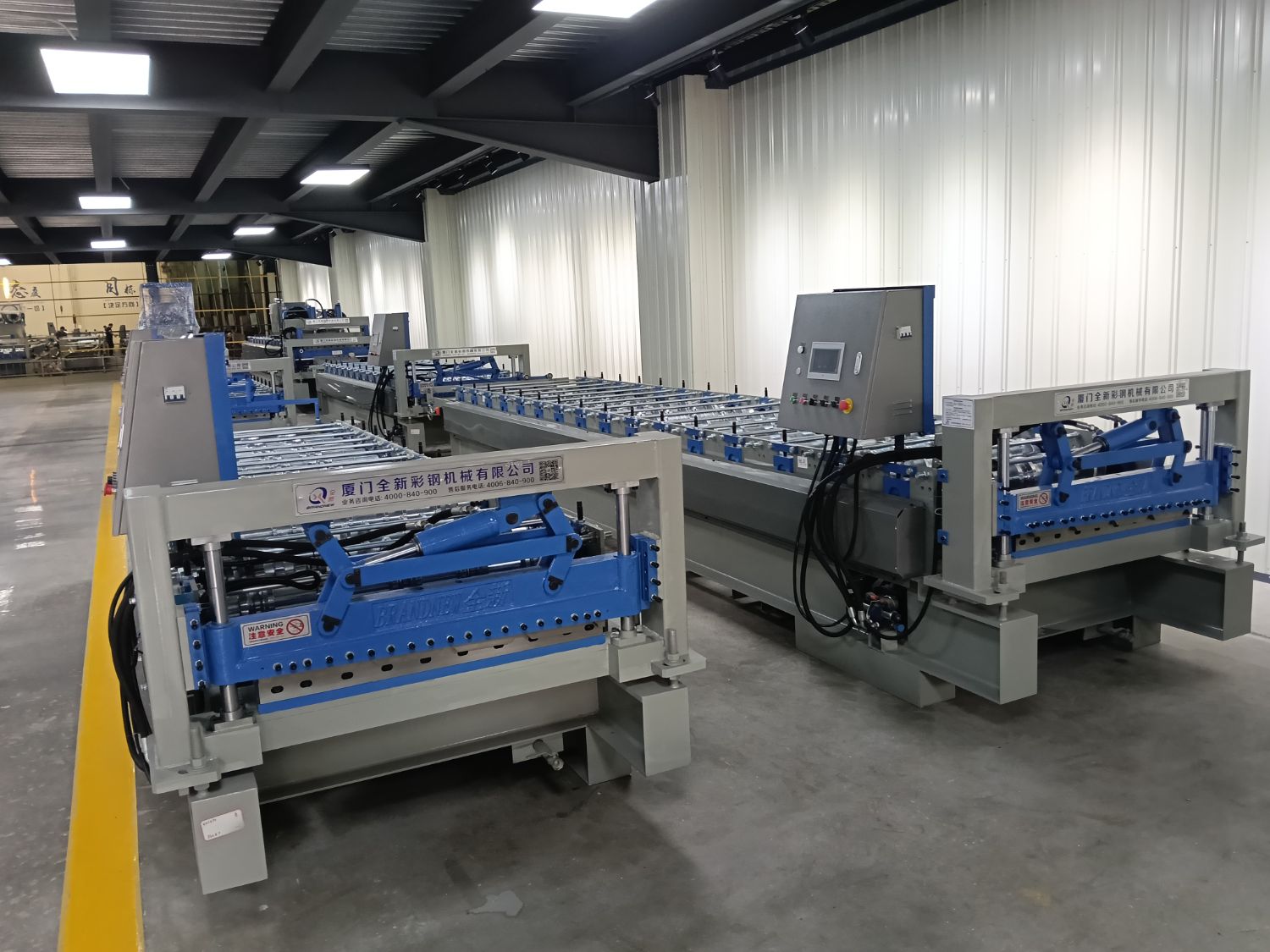
Durability begins with the raw components. We select alloys and composites that resist corrosion, fatigue, and extreme temperatures, ensuring the frame can handle heavy loads without deformation. Every material is chosen not for cost efficiency, but for its proven track record in demanding industrial applications.
The manufacturing process combines precision machining with rigorous assembly standards. Tolerances are kept tight to minimize wear points, and joints are reinforced using methods that avoid stress concentrations. Before leaving the factory, each unit undergoes a battery of tests, from vibration analysis to thermal cycling, to confirm it meets our lifespan criteria.
Maintenance considerations are built into the design from day one. Critical parts are accessible for inspection and replacement without specialized tools, and protective coatings shield against environmental damage. The result is equipment that stays in operation for decades, reducing total cost of ownership and downtime.
Adapting to Your Project: Customization Options
Every project carries its own set of requirements and workflows, making rigid tools more of a hindrance than a help. True adaptability means the software molds itself to your needs instead of forcing you into predefined patterns. From tweaking interface elements to adjusting core behaviors, customization should feel intuitive and immediate, letting you focus on what actually matters—building something great.
Under the hood, a range of practical options lets you shape the experience: configuration files that can be versioned alongside your code, plugin systems that extend functionality without touching the core, and theming capabilities that align the look with your brand. Need to change how data is processed? Hook into the event pipeline. Want to streamline a repetitive task? Script it through a well-documented API. These tools are designed to be bent, not broken.
Getting started with custom setups shouldn’t require a weekend of reading manuals. Sensible defaults get you moving quickly, and when you’re ready to dig deeper, clear escape hatches are there. The goal is to reduce friction—whether you’re tweaking a single setting or architecting a fully bespoke workflow—so the technology adapts to your team, not the other way around.
From Coil to Roof: A Seamless Production Process
Every roof starts as a massive steel coil, unspooled with precision at our facility. The metal passes through a series of rollers that shape it into profiles designed for strength and water-shedding efficiency, all while maintaining a flawless, uninterrupted flow. There’s no pause, no off-site cutting—just a continuous transformation guided by automated controls that adjust tension and alignment in real time. This direct-line approach eliminates the inconsistencies of batch processing, ensuring each panel emerges identical to the last.
From there, a specialized coating is applied and immediately cured, bonding at a molecular level for long-term resistance to corrosion and UV exposure. The material keeps moving, entering an in-line cutting unit that slices panels to exact project lengths without slowing the rhythm. Optional features like embossing or rib spacing are integrated on the fly, allowing customization without disrupting the seamless chain. The result is roofing that arrives on site ready to install, carrying the integrity of a process that never broke stride from coil to rooftop.
Global Trust, Local Support: Our Service Network
When you work with us, you're not just getting a distant call center—you're tapping into a network of specialists who understand the nuances of your region. From time zones to language preferences and local regulations, our support teams live and breathe the communities they serve. That familiarity means faster resolutions and fewer misunderstandings, so your operations keep running smoothly no matter where you are.
We've invested in building real, on-the-ground teams rather than relying on a one-size-fits-all model. Whether you need technical guidance in Berlin, logistics help in São Paulo, or compliance advice in Tokyo, you'll connect with someone who speaks your language—literally and culturally. These aren't just support agents; they're your neighbors, and they take your success personally.
Behind every local interaction is a unified global infrastructure that ensures consistency without sacrificing flexibility. Our systems track your history across regions, so you never have to repeat yourself, and our local experts collaborate across borders to solve complex problems together. It's the best of both worlds: the reassurance of a worldwide organization backed by the warmth of a familiar voice just down the road.
Innovations That Shape the Roofing Industry
Roofing isn’t just about keeping the rain out anymore. Manufacturers are rolling out materials that do double duty—think cool roof coatings that bounce back solar heat, keeping buildings noticeably cooler without cranking up the AC. Then there’s the quiet rise of integrated solar tiles, which blend right into the roofline instead of sitting on top like an afterthought. These aren’t just add-ons; they’re changing how roofs function day in and day out.
Beyond the materials themselves, the way we inspect and repair roofs has taken a hard left. Drones now zip along eaves and ridges, snapping high-res images and feeding them into software that flags trouble spots with surprising accuracy. At the same time, synthetic shingles and tiles—made from recycled polymers or rubber—are giving homeowners the look of slate or wood shake without the weight or constant upkeep. It’s a shift that quietly blends performance, style, and a lighter footprint.
FAQ
A true leader combines engineering expertise, robust quality control, and a willingness to tailor solutions. They invest in precision tooling and use high-grade steel for machine frames, ensuring long service life. Their track record often includes decades of innovation and a global client base trusting them for consistent output.
Look for machines that use hardened rollers and precise forming stations. The roll forming process should minimize material stress, resulting in panels that withstand harsh weather. Request sample runs or visit production sites to see the profile accuracy and coating adhesion firsthand.
Popular profiles include corrugated sheets, standing seam panels, and tile-shaped roofing. Many manufacturers offer interchangeable roller sets to switch between profiles, catering to residential, commercial, and industrial projects.
Chinese manufacturers often provide advanced technology at competitive prices due to scale and component sourcing. They also tend to have extensive experience with export, providing documentation and support that simplify international transactions.
Typically, you'll get on-site or remote installation guidance, operator training, and a warranty on key components. Spare parts should be readily available, and responsive technical support is a hallmark of a committed partner.
Most heavy-duty machines process galvanized steel, aluminum, copper, and zinc alloys. High-quality models include adjustable roll gaps and material guides to accommodate variations in thickness and coating, ensuring consistent performance.
Reputable factories run full production tests, checking profile dimensions, cut-off accuracy, and hydraulic functions. They also inspect electrical systems and safety features. Documentation like inspection reports and calibration certificates is often provided.
Metal roofing itself is recyclable, and efficient machines minimize scrap. Some manufacturers incorporate energy-saving motors or offer coil end joiners for continuous production, reducing waste. This aligns with green building certifications and lowers long-term costs.
Conclusion
Drawing on advanced engineering and a commitment to durability, this Chinese manufacturer has become a trusted source for metal roofing machines worldwide. The machines are built on a foundation of precision design, where every component—from roll forming stations to cutting systems—is optimized for consistent output and minimal waste. Premium-grade steel and robust construction methods ensure that each machine withstands years of heavy use, even in challenging environments. Beyond standard performance, ongoing innovations in automation and profiling technology have redefined what’s possible in roof panel production, giving clients a competitive edge in their markets.
What sets the company apart is its ability to tailor solutions to diverse project demands. Whether adapting to unique profiles, gauges, or material coatings, the engineering team works closely with clients to deliver machines that match exact specifications. The production process integrates seamlessly from decoiling to the final cut, reducing handling and accelerating job site delivery. Combined with a worldwide service network that offers responsive local support, customers gain more than a machine—they gain a partner invested in their long‑term success. This blend of customized engineering, end‑to‑end efficiency, and global after‑sales care has established the firm as a go‑to supplier for durable roofing solutions.
Contact Us
Contact Person: Sophie
Email: [email protected]
Tel/WhatsApp: 8615959271231
Website: https://www.beenew-rollformer.com/